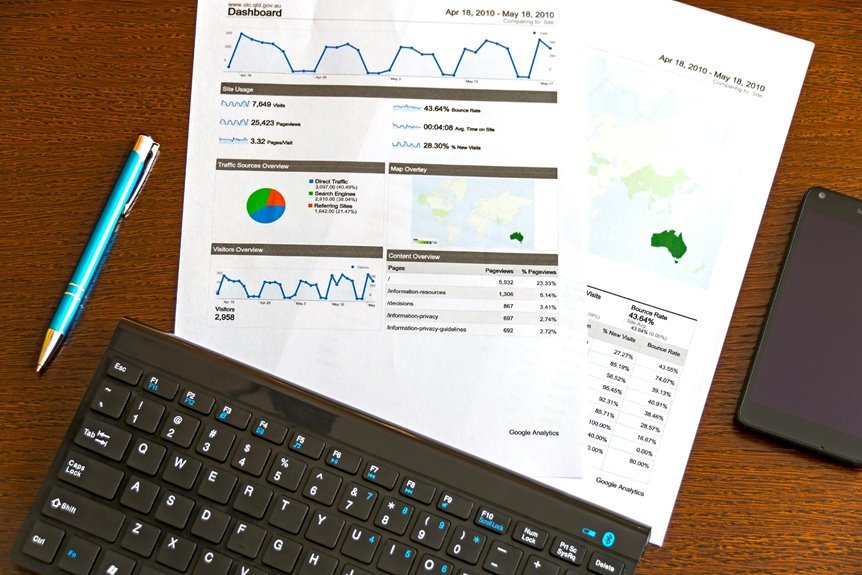
Corporate Performance Dashboard: 211580580, 211590900, 211596453, 211596454, 211599415, 211939916

The Corporate Performance Dashboard, represented by identifiers such as 211580580 and 211590900, serves as a critical tool for organizational performance analysis. Each metric offers insights into operational trends and effectiveness. By harnessing advanced visualization techniques, stakeholders can assess performance and pinpoint areas needing attention. However, the effectiveness of these dashboards hinges on their design and implementation. What strategies can enhance their utility in decision-making processes?
Understanding Corporate Performance Dashboards
Corporate performance dashboards serve as critical tools for organizations seeking to visualize and analyze their performance metrics.
By leveraging data visualization techniques, these dashboards present complex information in an accessible format, facilitating informed decision-making. Organizations can track trends, identify areas for improvement, and enhance strategic initiatives.
Ultimately, effective dashboards empower stakeholders to explore data freely, promoting a culture of transparency and accountability.
Key Features of Effective Dashboards
While various elements contribute to the effectiveness of dashboards, certain key features stand out as essential for delivering clear and actionable insights.
Dashboard customization allows users to tailor visualizations to their specific needs, enhancing relevance.
Additionally, effective data visualization techniques ensure complex data is presented in an easily digestible format, empowering decision-makers to grasp trends swiftly and make informed choices confidently.
Best Practices for Utilizing Performance Dashboards
To maximize the effectiveness of performance dashboards, organizations must implement best practices that enhance user engagement and data interpretation.
Employing advanced data visualization techniques can simplify complex information, making insights more accessible.
Additionally, incorporating user engagement strategies such as interactive elements and tailored content fosters deeper connections with users.
Together, these practices ensure dashboards serve as powerful tools for informed decision-making and strategic planning.
Conclusion
In conclusion, corporate performance dashboards serve as vital tools for organizational success, with studies indicating that businesses utilizing such dashboards experience a 20% increase in operational efficiency. By effectively visualizing performance metrics like those represented by identifiers 211580580, 211590900, and others, stakeholders can make informed decisions that drive improvement. Emphasizing best practices in dashboard utilization fosters a culture of accountability and transparency, ultimately leading to enhanced performance and strategic growth within the organization.